


Expand to the U.S. faster and safer.
One partner for your back-office operations
TABS manages your governance, finance, HR and administration so that you can focus on performance, not paperwork


TABS is your all-in-one partner for seamless U.S. back-office operations

Focus on growth. TABS takes care of U.S. operational complexity
U.S. expansion is a puzzle of governance, financial, and HR decisions. When those areas are disconnected, mistakes multiply, and costs rise. We provide coordinated support under one roof, keeping your entire U.S. operation aligned, compliant, and moving forward.
Why European Companies Choose TABS
On-the-ground support in the U.S. and in Europe – we simplify U.S. rules and speak your language.
Single Point of Accountability
One partner responsible for all U.S. filings, payroll, and reports.
Transatlantic Teams
Local offices in Houston, New York, Houston, the Netherlands, and Spain.
Personalized Support
A team of experts who know your business, its specific needs, and who are always available.
European Alignment
Support aligned with your HQ's hours and reporting standards.
Transparent Pricing
Clear, honest costs with no hidden retainers or surprise fees.
Proven Execution
A trusted track record built over 15+ years of end-to-end service.


A full suite of U.S. back-office services
Corporate Governance & Compliance
We manage entity setup, registered agent services, and all mandatory filings. This ensures your business stays compliant, avoids penalties, and is always due diligence ready.
Discover more

Finance, Accounting & Tax Support
We act as your U.S. finance department, delivering audit-ready financials and compliant processes. Get structure, oversight, and transparent reporting back to your global headquarters.
Discover more
Payroll & Human Resources for U.S. Teams
TABS simplifies payroll, benefits, and HR compliance for foreign-owned entities. We ensure your operations stay compliant and your employees are supported.
Discover more
U.S. Business Presence & Representation Services
Build trust with a genuine U.S. business presence, including a local address and communication support. These services are designed for international businesses, establishing a quick, easy presence.
Discover more
U.S. Go-to-Market Consultancy
Expedite your U.S. journey with direct, hands-on support and strategic intelligence. We assist in finding the right partners and offer on-the-ground support for launch, lead generation, and landing.
Discover more
FDA & Import Compliance
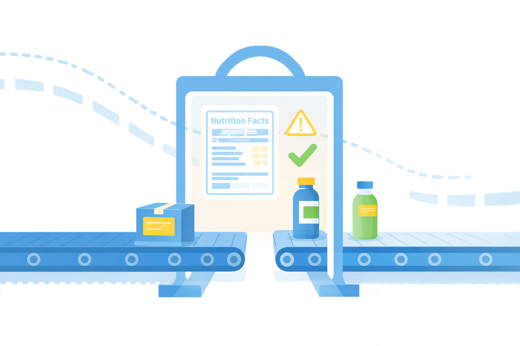
FDA registration is made clear, fast, and fully compliant. We manage registration, renewals, and communication directly with the FDA.
Discover more
Proven Impact in Numbers
15 Years of Experience
Since 2010, we have guided European companies in the U.S. market.
600+ Active Clients
Supported across all U.S. states and major industries.


50 State and Industry experts
Tangible results across the transatlantic business landscape.
4000+ Successful Regulatory Approvals
Ensuring smooth compliance for FDA, IRS, and state-level operations.
just a label
Proven Experience Guiding 3,000+ Businesses to the U.S. since 2010
Honest words from European companies building lasting U.S. success with TABS.



Insights and guides for expanding your business to the U.S.
Corporate Governance

The CTA Turnaround: Domestic Companies Exempt, Foreign Entities Targeted
The CTA shifts enforcement from U.S. companies to foreign-owned entities operating in the U.S.
Corporate Governance

Creating Tax Residency in the United States and the Safe Limit
The difference between staying compliant and triggering U.S. tax residency often comes down to how days are counted, not how many.
Corporate Governance

The Inflation Reduction Act: Opportunities and Compliance for Foreign Companies
The Inflation Reduction Act (IRA) reshaped how international companies evaluate U.S. expansion, capital planning, and long-term strategy.
Ready to grow in the U.S.?
Let's make it simple and compliant.
Book a free 30-minute consultation with our U.S. expansion specialists today.